60s Retro Quotes: A Designer's Real-World Review
When I first opened the 60s Retro Quotes file, I didn't just see a graphic; I felt an immediate shift in atmosphere. As someone who spends hours tweaking stitch density and choosing thread colors for client projects, my first impression is usually about feasibility. Does this design translate well from a screen to a needle? Can it survive the rigors of a washing machine while keeping its "radical" personality intact? In this review, I am breaking down exactly how this design performs when moved from a digital asset to a tangible handmade product.
The First Stitch: Visual Personality and Mood
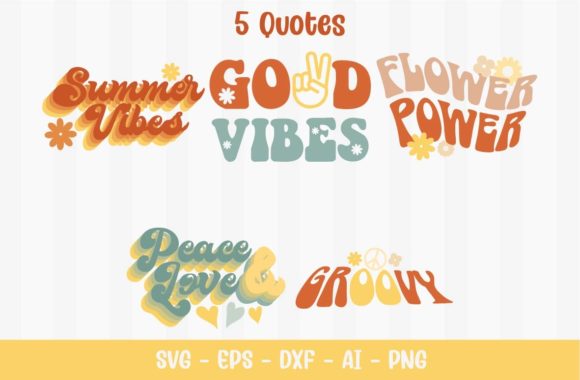
The moment you load these designs into your software, the wavy text and incredible fonts demand attention. This isn't subtle, minimalist embroidery; it is bold, loud, and unapologetically vintage. The visual personality screams "flower power" and "psychedelic era," making it perfect for anyone looking to inject nostalgia into their craft business. The layout feels organic rather than rigid, which suggests that the digitization has been done with flow in mind.
For a designer, the appeal lies in the contrast between the fluid curves of the letters and the potential structure of satin stitches. It creates a mood that is playful yet polished. When placed on a canvas tote or a baby onesie, it doesn't just look like a logo; it looks like a statement piece. The color scheme, even in its digital preview, promises a vibrant finished product that will stand out on a craft fair table or an Etsy shop banner.
Real-World Application: From Screen to Sweatshirt
Let me walk you through a specific scenario I recently tackled. I was preparing a custom order for a boutique owner who wanted a line of limited-edition sweatshirts for a summer festival. She needed something that captured the 1960s spirit but looked modern enough to wear today. I pulled up 60s Retro Quotes as the centerpiece for the back chest area.
The challenge with retro styles is often the balance between detail and durability. If the lettering is too thin, the fabric shows through. If the fill is too dense, the garment becomes stiff and unwearable. In this project, I tested the design on a medium-weight cotton blend. The wavy nature of the text required careful hoop placement to ensure the curve followed the natural drape of the shoulder without distorting the letters. Once stitched, the result was stunning. The satin stitch edges held up beautifully against the soft texture of the fleece, and the fill stitch areas provided just enough coverage to make the colors pop without creating a heavy, board-like feel.
This same design would likely perform equally well on a tote bag design for a local market. Imagine a sturdy canvas bag embroidered with a cheerful quote in mustard yellow and burnt orange threads. It instantly elevates a generic item into a unique personalized gift that customers are eager to share on social media. For Etsy sellers, this kind of visual impact is crucial because buyers often decide within seconds whether to click based on the mockup.
Navigating the Challenges: Where Caution is Key
While 60s Retro Quotes is a strong contender for many projects, an experienced designer knows that no single design fits every situation. There are specific scenarios where this style requires extra scrutiny. For instance, if you are working with a small hoop size, such as those used for baby embroidery on a hat or a tiny pocket, the wavy lines might get lost. The curves could compress, turning the elegant flow into a muddy blob.
Similarly, textured fabrics can be tricky. While the design looks great on smooth cotton or polyester blends, applying it to a heavily textured bouclé or a rough linen might obscure the intricate details of the font. The stitch density needs to be high enough to cover the weave, but if the fabric is too thick, the needle might struggle to penetrate cleanly, leading to skipped stitches.
I also advise caution when using this design on dark fabrics. The "radical sixties color scheme" often relies on bright pastels or neon tones to achieve the intended effect. On a black or navy background, these colors may appear dull unless you use a high-quality underlay or a specific thread type designed for dark garments. Furthermore, for products that need frequent washing, like kitchen towels or aprons, ensure the stabilizer is removed completely after stitching to prevent stiffness. If the design includes very small lettering or decorative accents, test them rigorously before committing to a bulk order.
Technical Considerations for Commercial Success
When integrating 60s Retro Quotes into your commercial embroidery workflow, several technical factors dictate the success of the final product. First, always check the hoop size requirements. If the design exceeds your machine's standard hoop, you will need to plan for multi-hooping, which increases production time and the risk of alignment errors.
Thread color selection is another critical element. To truly honor the Graphics aspect of the original art, you must choose threads that match the saturation of the digital preview. Using a standard black thread for a design meant to be white or cream can ruin the intended aesthetic. Always review the stitch density settings in your digitizing software. If the fill areas are too tight, the fabric will pucker, especially on stretchy materials like jersey knits used for sweatshirt embroidery.
Don't forget to inspect the design in black and white mockups. Sometimes, a design looks colorful and exciting on a screen but lacks the necessary contrast to read clearly once embroidered. This is particularly important for embroidered patches or items that will be viewed from a distance at a craft fair. If the text cannot be read easily, the message is lost.
Final Verdict: Is It Worth the Investment?
Ultimately, 60s Retro Quotes is a versatile and visually striking asset for any creative entrepreneur. It bridges the gap between nostalgic charm and modern craftsmanship. Whether you are creating holiday embroidery gifts, branding for a new boutique, or simply adding a personal touch to a homemade apron, this design offers a high level of visual appeal.
However, success depends on execution. Test the design on scrap fabric first. Check your thread colors against your chosen material. Confirm the licensing terms if you intend to sell finished items, and ensure you have the right stabilizer to support the weight of the stitches. By treating this design with the same professional care you would apply to any major client project, you can transform a simple digital file into a premium finished product that customers will love.
If you are ready to add some retro flair to your custom apparel or small shop product line, 60s Retro Quotes is definitely worth a try. Just remember: the magic happens not just in the design file, but in the thoughtful application and finishing touches you bring to the table.